
One of the most common questions homeowners ask before an interior painting project is: “How many coats of paint does my wall need?”
The answer isn't always two coats.
Depending on the existing color, the new color, the condition of the wall, and the type of paint being used, a wall may need one, two, three, or sometimes even four coats to achieve the right coverage and finish.
As professional painting contractors, we don't simply assume that every wall needs the same number of coats. We look at the existing surface and the result the homeowner wants to achieve.
Can You Paint a Wall With Just One Coat?
Yes, sometimes.
If you're repainting a wall with the same or a very similar color, and the existing paint is in good condition, one coat may provide enough coverage.
For example, if a wall is already painted white and you're applying the same white paint in the same or a similar sheen, one coat may be sufficient.
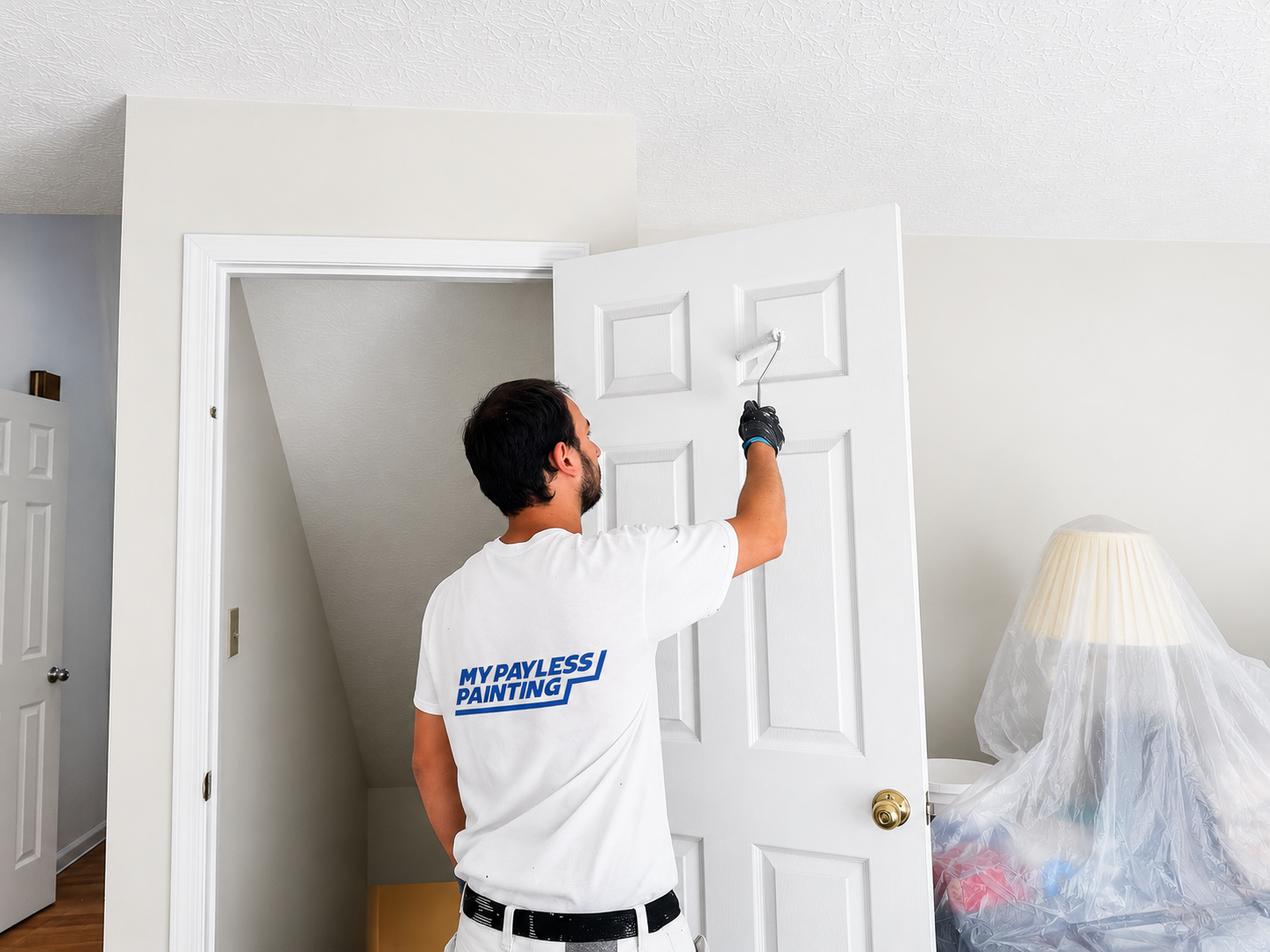
However, the surface still needs to be properly prepared, and the new coat needs to provide consistent coverage.
One coat doesn't automatically mean a lower-quality paint job. The number of coats depends on the situation.
Changing From One Color to Another
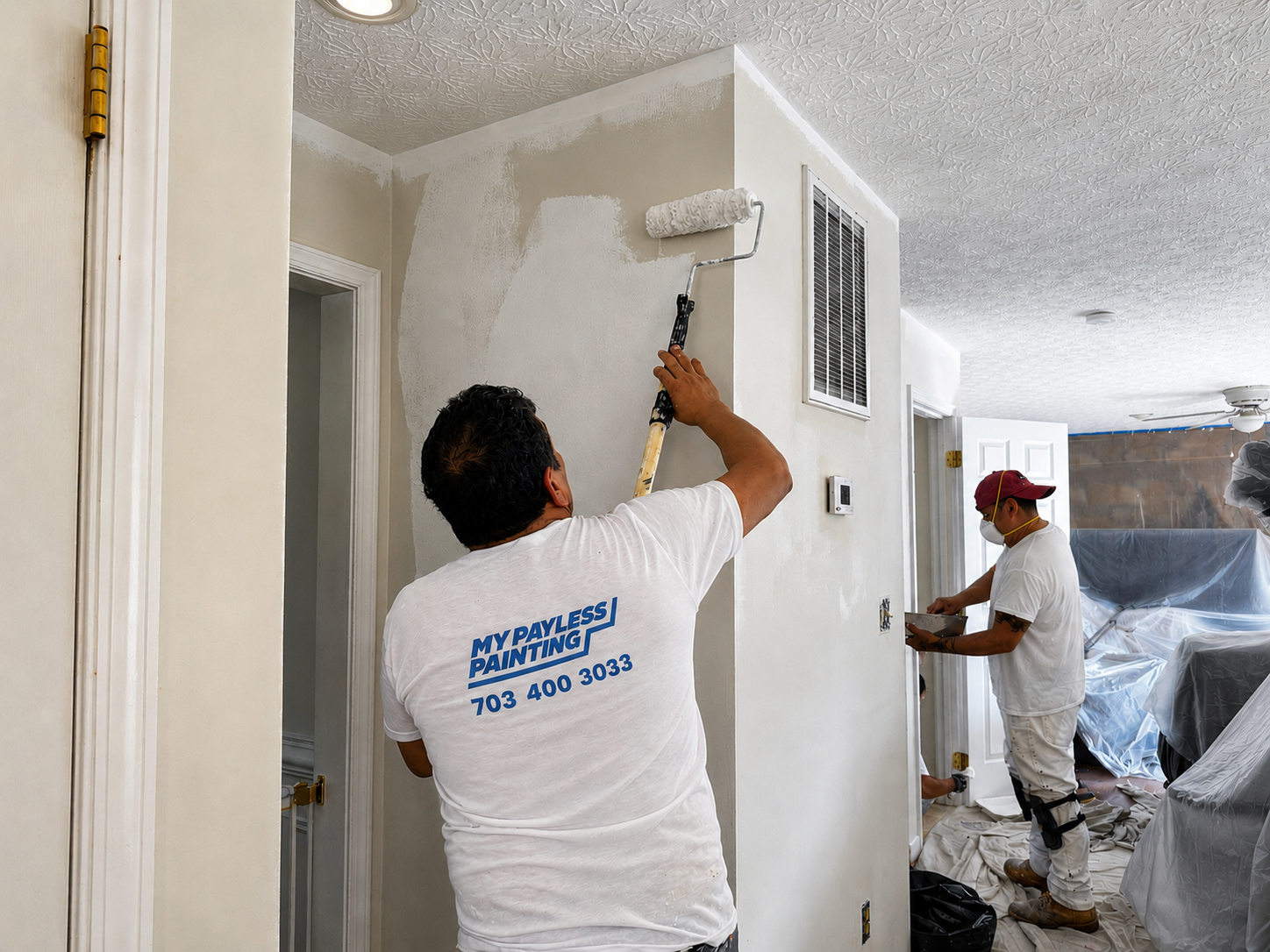
Changing the wall from one color to a significantly different color is one of the most common reasons additional coats are needed.
For example, painting a dark blue wall white requires considerably more coverage than repainting an existing white wall white.
When changing colors, two to three coats may be necessary, depending on the existing color, the new color, the paint product, and how well the new color covers the previous one.
In some situations, particularly when covering a very dark or difficult color, even four coats may be necessary to achieve a uniform finish.
That's why giving a painting estimate based only on the square footage doesn't always tell the whole story.
What If the Wall Needs Repairs?
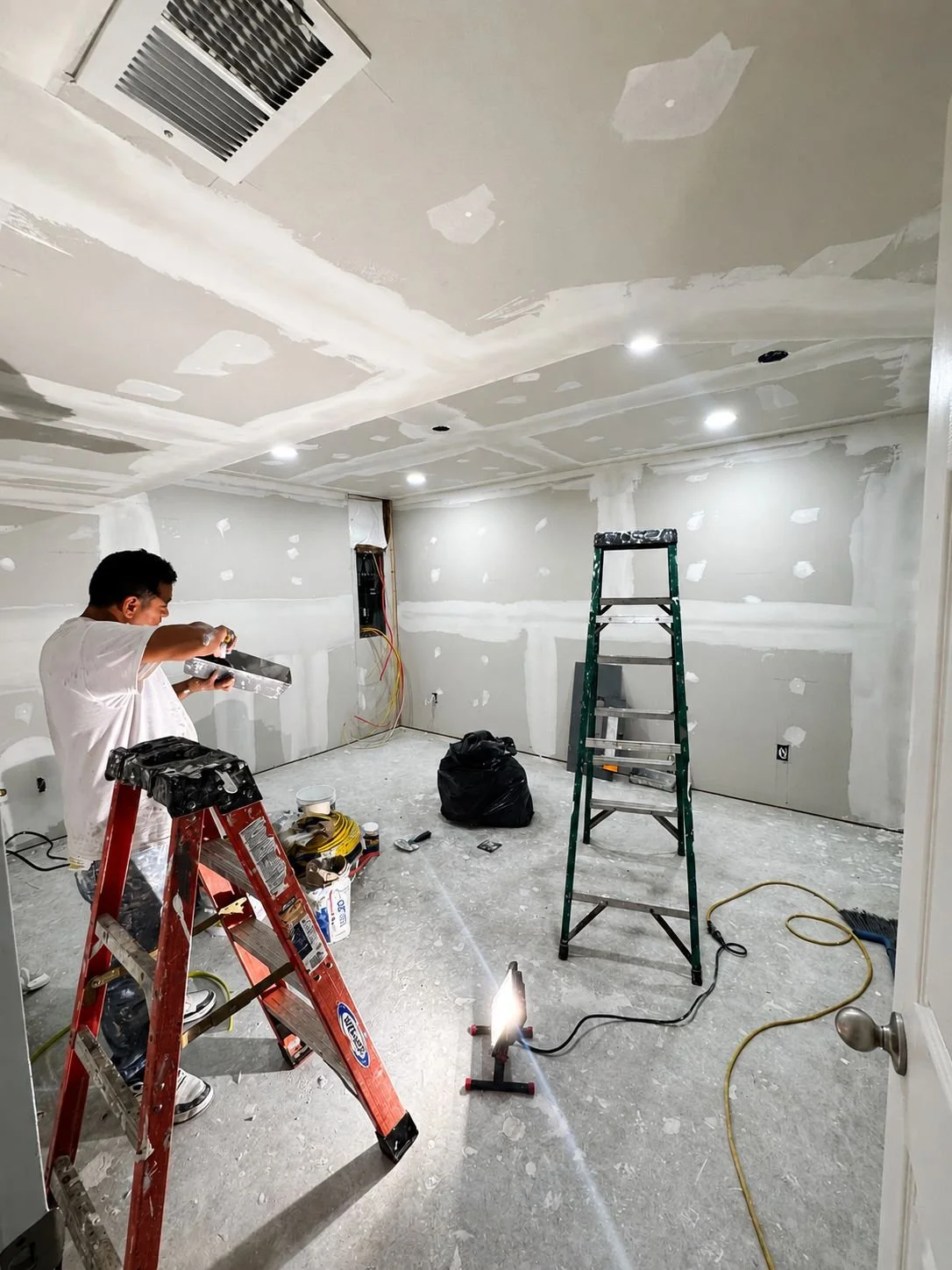
Walls that require repairs may also need additional coats of paint.
If a wall has:
Drywall repairs
Patches
Nail holes
Sanded areas
Cracks
Previous water stains
Uneven areas
the repaired areas may absorb paint differently from the surrounding wall.
After making repairs, the surface may need to be primed before painting.
For a wall that has been repaired, two coats of finish paint may be appropriate, depending on the condition and the paint being used.
Why Does Paint Sometimes Need More Coats?
Several factors can affect how many coats a wall needs.
1. The Existing Color
The color underneath the new paint can have a major impact on coverage.
Going from a similar light color to another light color may require less paint than going from a dark color to a light color.
2. The New Color
Some colors naturally provide better coverage than others.
A new color may require additional coats to achieve an even, consistent appearance.
3. The Condition of the Wall
A wall with repairs, stains, peeling paint, or uneven areas may require additional preparation before painting.
Painting over an improperly prepared surface can result in an uneven finish regardless of how many coats are applied.
4. The Paint Product
Different paints have different coverage characteristics.
The manufacturer's instructions should always be considered when determining application and recoat requirements.
5. The Paint Finish
Flat, eggshell, satin, and semi-gloss finishes can reflect light differently. Higher-sheen finishes can also make surface imperfections more noticeable, which is why proper preparation is especially important.
Is Primer the Same as a Coat of Paint?
Not exactly.
Primer and paint serve different purposes.
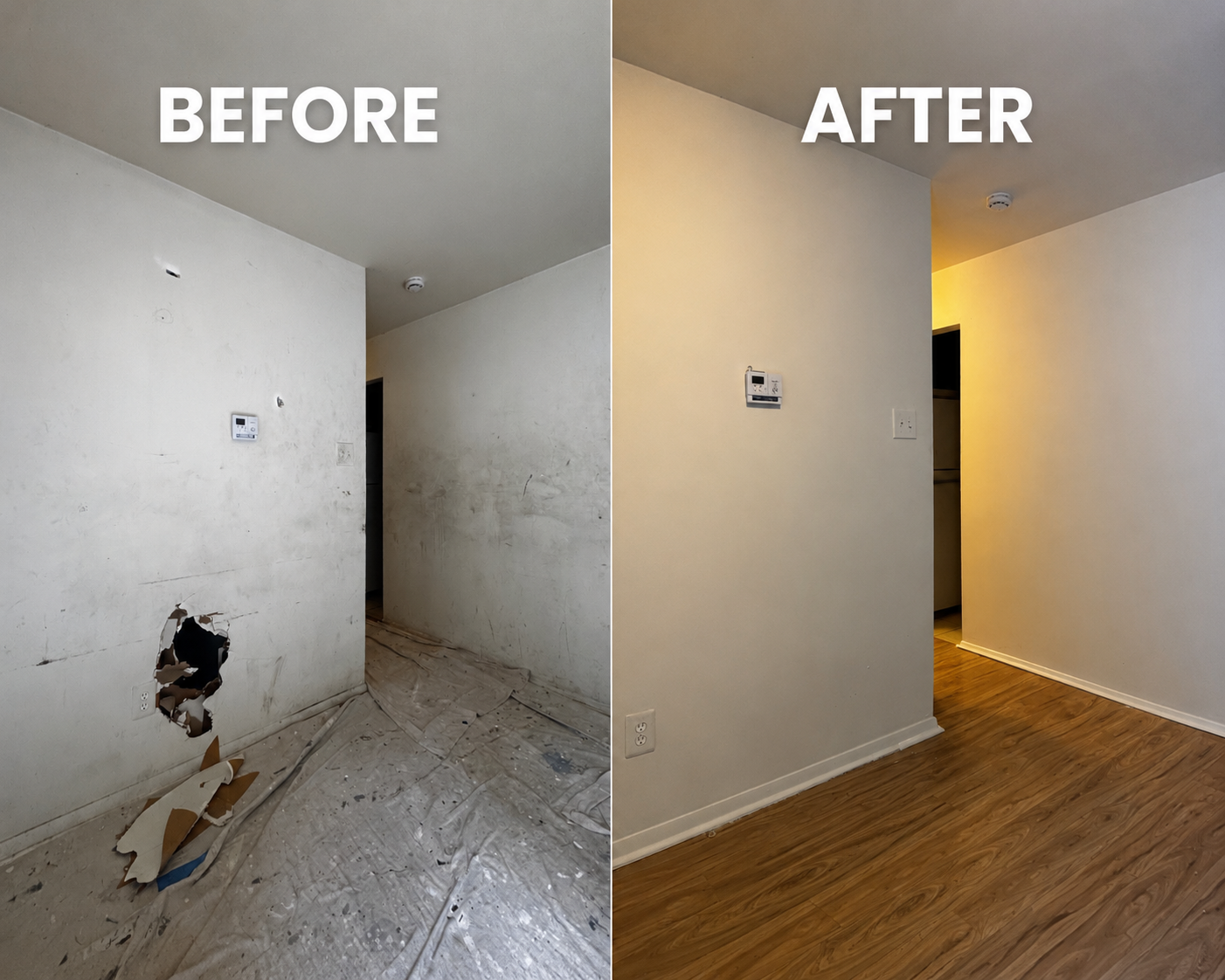
Primer can help seal repaired areas, improve adhesion, and create a more uniform surface for the finish paint.
For example, if drywall has been repaired, applying primer to the repaired area before the finish coats can help prevent the repaired section from looking different from the rest of the wall.
Primer is part of the preparation process, while the finish paint provides the final color and appearance.
So, How Many Coats Does Your Wall Need?
There isn't one number that applies to every painting project.
A general example might look like this:
The actual number of coats depends on the surface and the paint being applied.

More Coats Don't Always Mean a Better Paint Job
It's important to understand that more paint isn't automatically better.
The goal of a professional painting project is to achieve consistent color, coverage, and appearance with the appropriate number of coats.
Applying unnecessary coats can increase the cost and time of a project without providing a meaningful improvement.
On the other hand, stopping too early can leave visible color variation, thin coverage, or areas where the previous color shows through.
The right number of coats is the number necessary to achieve the desired result.
Professional Interior Painting in Northern Virginia
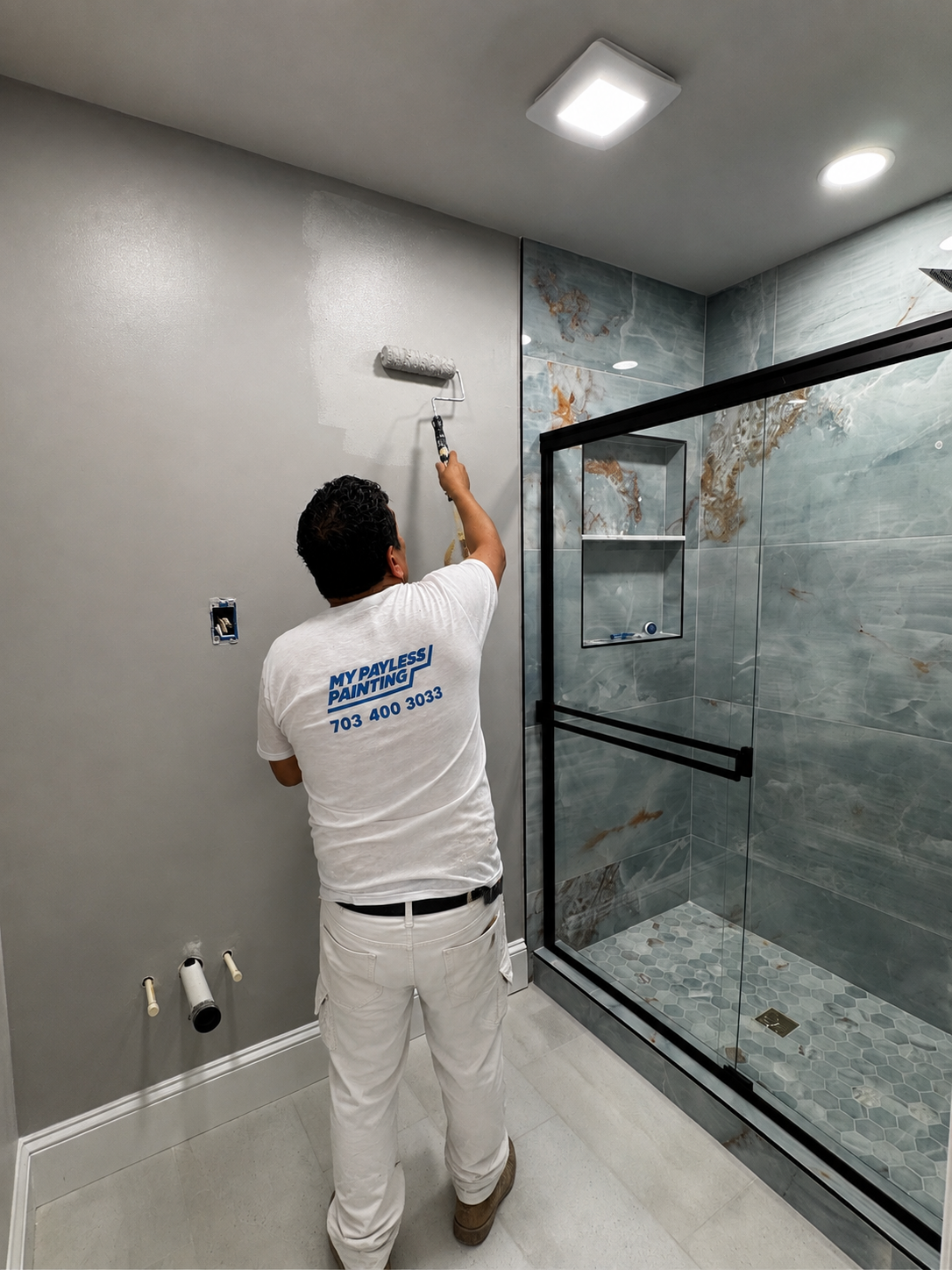
If you're planning an interior painting project in Northern Virginia, the number of coats your walls need can depend on much more than the size of the room.
At My Payless Painting, we evaluate the existing color, wall condition, repairs, and desired new color when planning an interior painting project.
Contact My Payless Painting today for a professional interior painting estimate in Northern Virginia.
